Waking Up Canadian: How Bill C-3 Expands Citizenship by Descent

Vanessa Leigh
Attorney
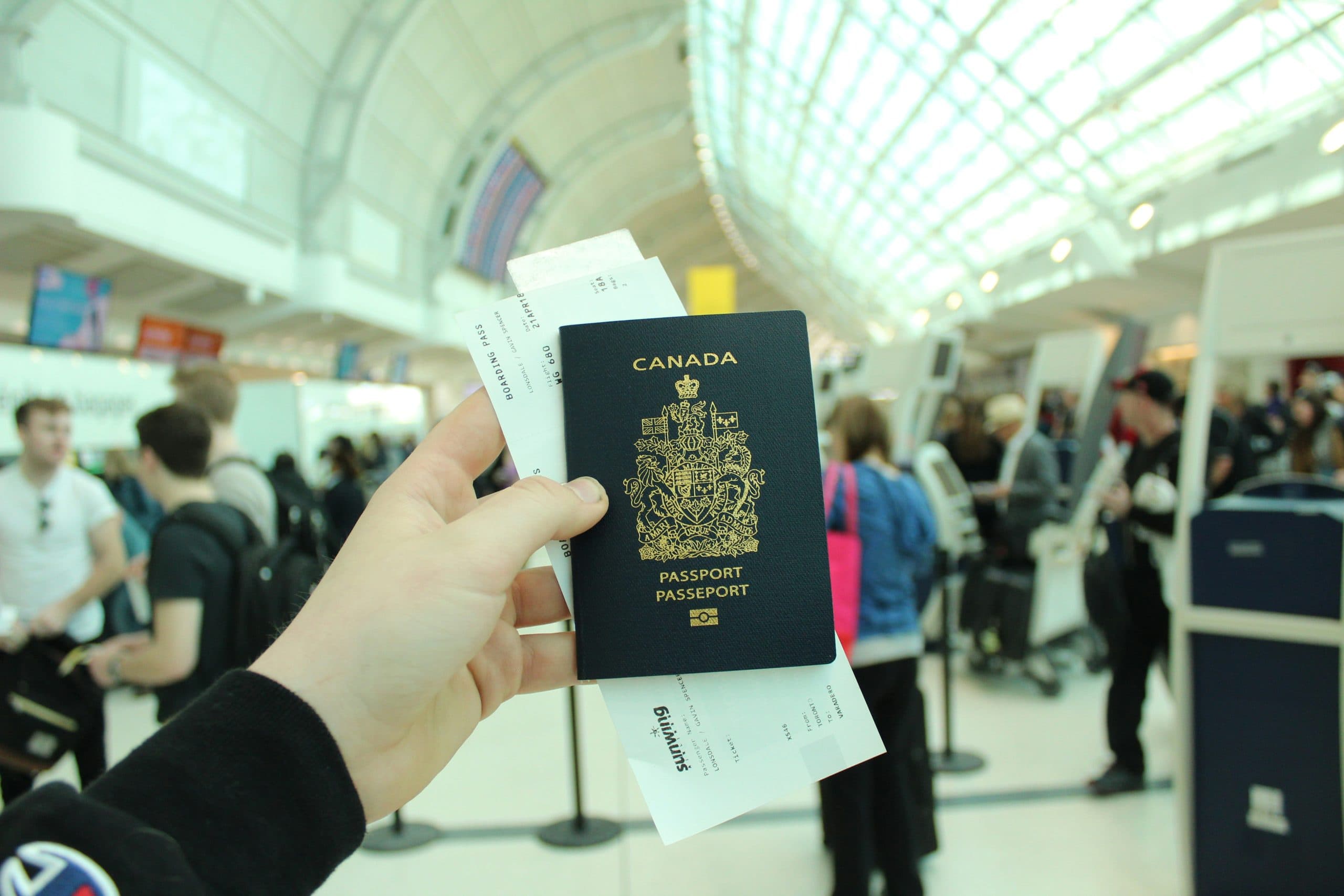
This holiday season, many may be waking up Canadian. As of December 15, 2025, Bill C-3, An Act to Amend the Citizenship Act, is in force. As a result, many individuals with a Canadian great-grandparent may have effectively "woken up Canadian" on that date—even if their parent did not, or does not, have a substantial connection to Canada.
Key Changes Under Bill C-3
- Eligible individuals are not required to live in Canada
- Individuals born abroad or adopted abroad before December 15, 2025 by a Canadian parent who was themselves born outside Canada are not required to demonstrate a substantial connection to Canada
- Individuals born abroad or adopted abroad on or after December 15, 2025 may obtain citizenship only if their Canadian parent can demonstrate a substantial connection to Canada
- Substantial connection is defined as 1,095 days (three years) of physical presence in Canada prior to the individual's birth or adoption
Overview and Background
Bill C-3 was introduced in response to a constitutional challenge in Bjorkquist v. Canada (2023 ONSC 7152), in which the Ontario Superior Court found the first-generation limit on citizenship by descent to be unconstitutional.
To transmit citizenship by descent, a parent must be a Canadian citizen at the time of the child's birth or adoption. Before Bill C-3 came into force, Canadian citizenship by descent was generally limited to the first generation born abroad. As a result, if a Canadian parent was themselves born outside Canada and later had a child who was also born abroad, that child was typically denied Canadian citizenship. (Children of naturalized citizens, however, were and continue to be exempt from the first-generation limit.)
The same first-generation limit applied to adopted children. A foreign-born child adopted by a Canadian parent who was also born abroad was not eligible to receive Canadian citizenship upon adoption. Instead, the child was required to be sponsored for permanent residence—a lengthy process—before becoming eligible to apply for citizenship.
Under the new framework, a foreign-born child of a Canadian parent who was also born abroad may now acquire Canadian citizenship at birth, provided the Canadian parent resided in Canada for at least three years prior to the child's birth. Similarly, a foreign-born child adopted by a Canadian parent born abroad may apply for Canadian citizenship, provided the same residency requirement is met prior to the adoption date.
Important
The substantial connection test only applies to children born or adopted on or after December 15, 2025. Children born or adopted before that date are not subject to the substantial connection test.
Legislative History
The Rise of "Lost Canadians"
To reach this point, the Citizenship Act has undergone a complex patchwork of amendments, many aimed at correcting outdated and discriminatory provisions that long affected the transmission of Canadian citizenship.
For example, between 1947 and 1977, Canadian citizenship laws differed sharply based on both the sex of the Canadian parent and the parents' marital status. A child born abroad in wedlock to a Canadian father and a foreign mother was entitled to Canadian citizenship, while a child born abroad in wedlock to a Canadian mother and a foreign father was not—an outcome determined solely by the Canadian parent's sex.
The pattern reversed for children born out of wedlock: those born abroad to Canadian mothers and foreign fathers qualified for citizenship, whereas those born to Canadian fathers and foreign mothers did not. Taken together, these rules embedded sex-based distinctions in Canadian citizenship law.
Amendments enacted in 1977 removed these distinctions going forward, allowing both women and men to transmit citizenship to foreign-born children regardless of marital status. The reforms, however, were not fully retroactive. Citizenship was not automatically extended to children born abroad before 1977 to unmarried Canadian fathers. By contrast, children born before 1977 to unmarried Canadian mothers and foreign fathers were permitted to apply for citizenship—but only within a two-year window following the Act's coming into force.
As a result, many individuals who should have been recognized as Canadian remained excluded, further entrenching a group of "lost Canadians".
Introduction of the First-Generation Limit
In 2009, Parliament undertook a major overhaul of the Citizenship Act aimed at restoring or confirming citizenship for certain groups of "lost Canadians". Among other reforms, the amendments reinstated citizenship to individuals who had lost it between 1947 and 1977 due to the former prohibition on dual citizenship. They also confirmed citizenship for persons born before 1977 who had been denied status solely because their Canadian parent was a woman, or because their parents were unmarried—thereby restoring citizenship to many children of Second World War veterans.
When these changes were enacted, the Canadian government launched a video to raise awareness of the new citizenship laws.
At the same time, however, the 2009 amendments introduced the first-generation limit on citizenship by descent. This change generally denied citizenship to foreign-born children of Canadians who were themselves born abroad, subject only to limited exceptions.
Further amendments enacted in 2015 extended citizenship to certain individuals who had lost British subject status prior to 1947 as a result of acquiring another nationality. The 2015 reforms also extended citizenship to some grandchildren of Second World War veterans, expanding the scope of earlier efforts to address historical exclusions.
Bill C-3: What Has Changed
With Bill C-3 now in force, the first-generation limit has been lifted for individuals born or adopted before December 15, 2025. As a result, the remedial measures introduced in 2009 and 2015 may extend to living descendants of persons born or naturalized in Canada.
For children born or adopted abroad on or after December 15, 2025, the substantial connection test will apply.
Seeking Guidance
Canadian citizenship claims—particularly those involving multiple generations—are often legally and factually complex. Eligibility can turn on historical legislation, family circumstances, and extensive documentary evidence. Experienced legal guidance can help clarify eligibility, identify potential gaps in documentation, and navigate the application process efficiently and confidently.
If you believe you may have a claim to Canadian citizenship, our firm would be pleased to assist. Contact us to schedule a consultation.
Have questions about your immigration options?
Our attorneys are here to help you navigate the complexities of U.S. immigration law.
You might also be interested in

A New B-1 Category For Specialized Trainers, and Where It Gets Tricky
July 15, 2026

A new name for the firm we've been building
July 2, 2026

What 388 petitions taught us about winning O-1, EB-1, and NIW cases
June 24, 2026

District Court Vacates $100,000 H-1B Fee
June 8, 2026
Want to stay updated?
Subscribe to our mailing list to keep up with latest news, updates, and insights on U.S. immigration law and policy.